GFRP Rebar Benefits
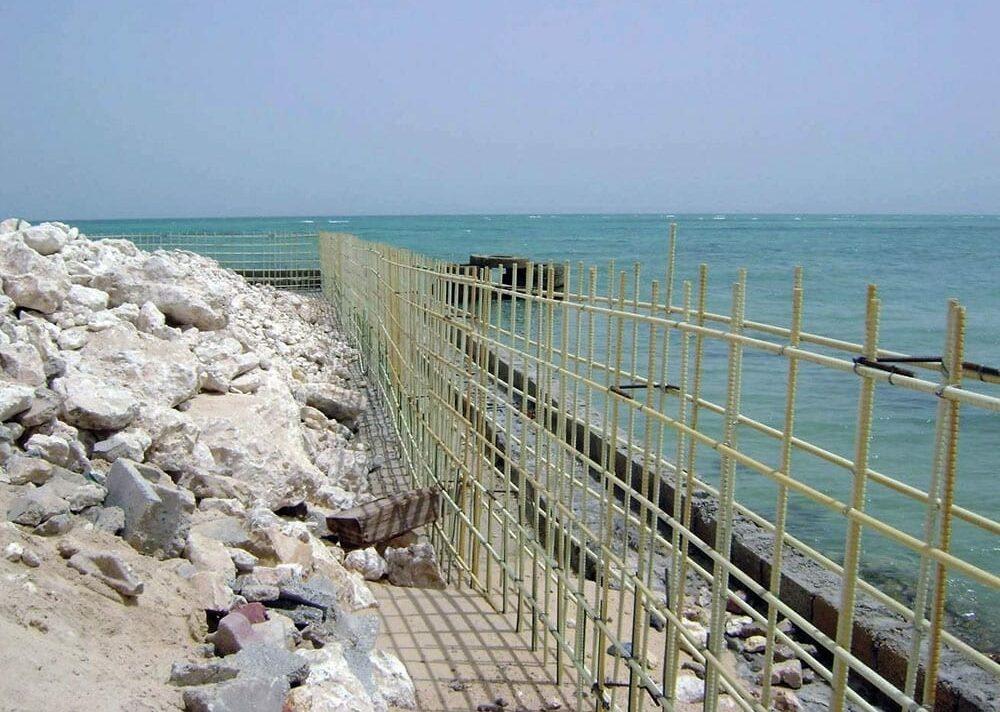
Glass Fiber Reinforced Polymer (GFRP) rebar offers revolutionary advantages over traditional steel reinforcement, making it an increasingly popular choice for modern construction projects. Discover the top 5 benefits that are transforming how engineers and contractors approach infrastructure development worldwide.
- Superior Corrosion Resistance in All Environments
- Significant Weight Reduction and Easier Installation
- Extended Service Life and Lower Maintenance Costs
- Non-Magnetic and Electrically Inert Properties
- Enhanced Durability in Aggressive Chemical Environments
Benefit #1: Superior Corrosion Resistance
The most significant advantage of GFRP rebar is its complete immunity to corrosion. Unlike steel rebar, which oxidizes when exposed to moisture and chlorides, GFRP rebar remains chemically inert in any environment. This makes it ideal for coastal structures, bridge decks exposed to de-icing salts, marine applications, and any infrastructure where traditional steel would rapidly deteriorate. Projects in corrosive environments that traditionally required expensive protective coatings or frequent maintenance can now utilize GFRP rebar for a maintenance-free solution that lasts for decades.
Benefit #2: Significant Weight Reduction
GFRP rebar weighs only 15-20% of equivalent steel rebar, providing enormous practical benefits on job sites. The reduced weight makes transportation and handling substantially easier, lowering labor costs and improving worker safety. Installation crews require less equipment and can work more efficiently, accelerating project timelines. This weight advantage is particularly valuable in retrofit projects where structural capacity is limited, or in remote locations where transporting heavy materials is expensive and logistically challenging.
Benefit #3: Extended Service Life and Lower Maintenance
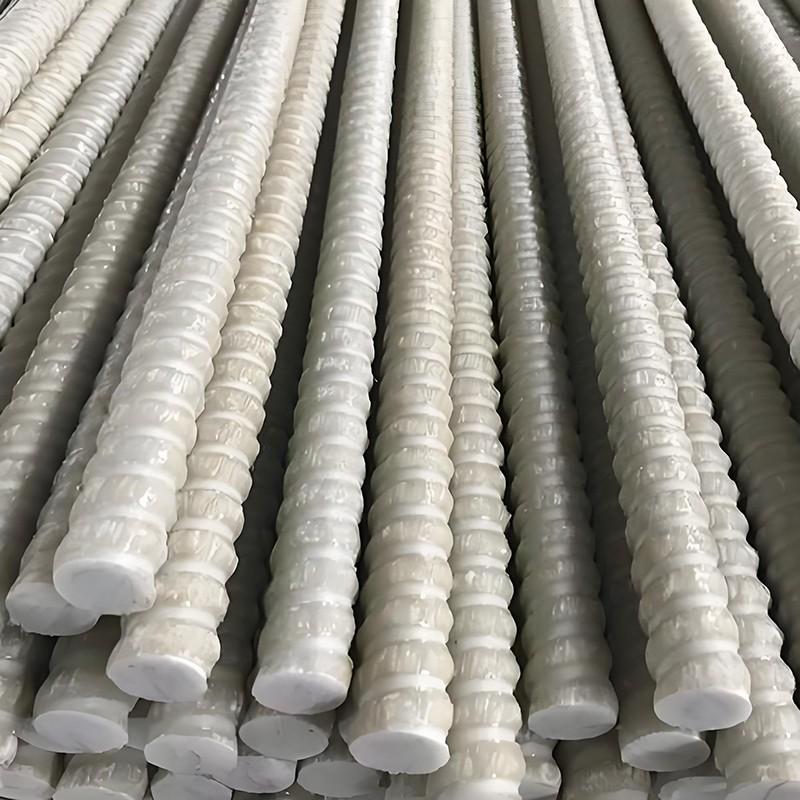 Because GFRP rebar doesn't corrode, structures reinforced
with it experience dramatically extended service lives.
While steel-reinforced concrete may require costly repairs
and rehabilitation after 20-30 years in harsh
environments, GFRP-reinforced structures can provide 50+
years of service with virtually no maintenance. This
translates to significant lifecycle cost savings. Although
GFRP's initial material cost is higher than steel, the
elimination of maintenance, repairs, and eventual
replacement makes it economically superior over the long
term, particularly for critical infrastructure projects.
Because GFRP rebar doesn't corrode, structures reinforced
with it experience dramatically extended service lives.
While steel-reinforced concrete may require costly repairs
and rehabilitation after 20-30 years in harsh
environments, GFRP-reinforced structures can provide 50+
years of service with virtually no maintenance. This
translates to significant lifecycle cost savings. Although
GFRP's initial material cost is higher than steel, the
elimination of maintenance, repairs, and eventual
replacement makes it economically superior over the long
term, particularly for critical infrastructure projects.
Benefit #4: Non-Magnetic and Electrically Inert
GFRP rebar's non-magnetic nature and electrical inertness open unique applications impossible with steel reinforcement. MRI facilities, high-tech laboratories, telecommunications infrastructure, and applications near sensitive electronic equipment can all benefit from GFRP's non-conductive properties. Additionally, GFRP won't interfere with electromagnetic equipment or create unexpected electrical hazards, making it safer for specialized installations where conventional rebar would compromise functionality or safety.
Benefit #5: Superior Performance in Aggressive Chemicals
Whether exposed to sulfates in soil, acids in industrial facilities, or alkaline solutions in specialized environments, GFRP rebar demonstrates exceptional resistance. Wastewater treatment plants, chemical processing facilities, underground storage tanks, and industrial structures can be designed with confidence knowing their reinforcement won't degrade from chemical exposure. This benefit alone can justify GFRP selection for projects in chemically aggressive environments where steel would require constant monitoring and eventual replacement.
"GFRP rebar isn't just an alternative to steel—it's a superior solution for modern infrastructure challenges. Projects using GFRP experience better long-term performance, reduced life-cycle costs, and the peace of mind that comes with truly durable construction." – Industry Expert in Advanced Building Materials
The convergence of these five benefits makes GFRP rebar an increasingly attractive option for engineers and contractors focused on durability, safety, and long-term value. While design practices continue to evolve and building codes increasingly accommodate GFRP specifications, forward-thinking projects are already experiencing the advantages of this transformative material. Whether building new infrastructure or rehabilitating existing structures, GFRP rebar represents an investment in quality and longevity that pays dividends for decades to come.